


-

Add: HeBei ShengShi HongBang Cellulose Technology CO.,LTD.
-

Email
13180486930@163.com -

CONTACT US
+86 13180486930





Understanding Methyl Cellulose and Its Pricing Dynamics Methyl cellulose, a water-soluble polymer derived from cellulose, has garnered increasing attention in various industries due to its versatile properties. As a key ingredient in food, pharmaceuticals, cosmetics, and construction, methyl cellulose plays a significant role in enhancing the quality and functionality of many products. However, the pricing aspects of methyl cellulose often raise questions among manufacturers and consumers alike. This article delves into the factors influencing the price of methyl cellulose, its applications, and the market trends that shape its economics. What is Methyl Cellulose? Methyl cellulose is produced through the methylation of cellulose, which is a natural polymer obtained from plant cell walls, particularly from wood and cotton. This modification process endows methyl cellulose with unique properties such as high viscosity, gelling ability, and water retention. Because of these characteristics, it acts as a thickener, emulsifier, and stabilizer, making it a popular choice in various applications. Applications of Methyl Cellulose 1. Food Industry Methyl cellulose is commonly used in the food industry as a thickening agent and a fat replacer. It helps improve the texture and stability of food products like sauces, dressings, and baked goods. Additionally, its ability to form gels at elevated temperatures is exploited in vegetarian and vegan food substitutes. 2. Pharmaceuticals In the pharmaceutical sector, methyl cellulose serves as an effective binder, coating, and disintegrant in tablet formulations. Its water-retaining properties are also valuable in the production of ocular solutions and laxatives. 3. Cosmetics Methyl cellulose is utilized in various cosmetic products for its thickening and stabilizing properties. It can be found in shampoos, lotions, and creams, contributing to the desired texture and overall feel of these products. 4. Construction The construction industry employs methyl cellulose as an additive in tile adhesives, joint compounds, and plaster. Its water retention and improved workability aid in creating durable and effective building materials. Factors Influencing the Price of Methyl Cellulose harga metilselulosa The pricing of methyl cellulose is influenced by several key factors, including 1. Raw Material Costs The primary raw materials for cellulose-based products, including cotton and wood pulp, can experience price fluctuations based on supply and demand dynamics. In addition, any changes to regulations affecting sustainable sourcing can also impact raw material costs. 2. Production Processes The manufacturing processes involved in producing methyl cellulose can be complex and energy-intensive. Advances in production technology can potentially reduce costs, but any disruptions—such as maintenance issues or the introduction of new regulations—can affect pricing. 3. Market Demand The growth of industries utilizing methyl cellulose directly impacts its demand. For instance, the rising popularity of plant-based food products has significantly increased the use of methyl cellulose as a vegan binder in food processing, contributing to fluctuating prices. 4. Geopolitical Factors International trade agreements, tariffs, and political stability in regions producing cellulose can affect the global supply chain, impacting both availability and pricing of methyl cellulose. For example, disruptions in trade can lead to supply shortages, subsequently driving up prices. 5. Technological Innovations As research advances, new grades and formulations of methyl cellulose are developed, often commanding different price points. Innovations that enhance performance or functionality can justify higher costs, while more efficient production methods can lower them. Market Trends and Future Outlook The methyl cellulose market is poised for growth, driven by expanding applications across various sectors. The trend toward clean label products in the food industry, coupled with an increasing preference for natural and plant-based ingredients, is likely to sustain demand for methyl cellulose. Additionally, advancements in production technology and heightened environmental awareness may foster more sustainable practices within the industry, influencing pricing trends. In conclusion, methyl cellulose plays an invaluable role across numerous industries. Understanding the factors that contribute to its pricing can help stakeholders make informed decisions. As demand for this versatile polymer continues to grow, staying attuned to market trends and shifts will be essential for navigating the complexities of methyl cellulose pricing.
- 40000tons

Production
- 20+years

Experience
- 5000+㎡

Acreage

-
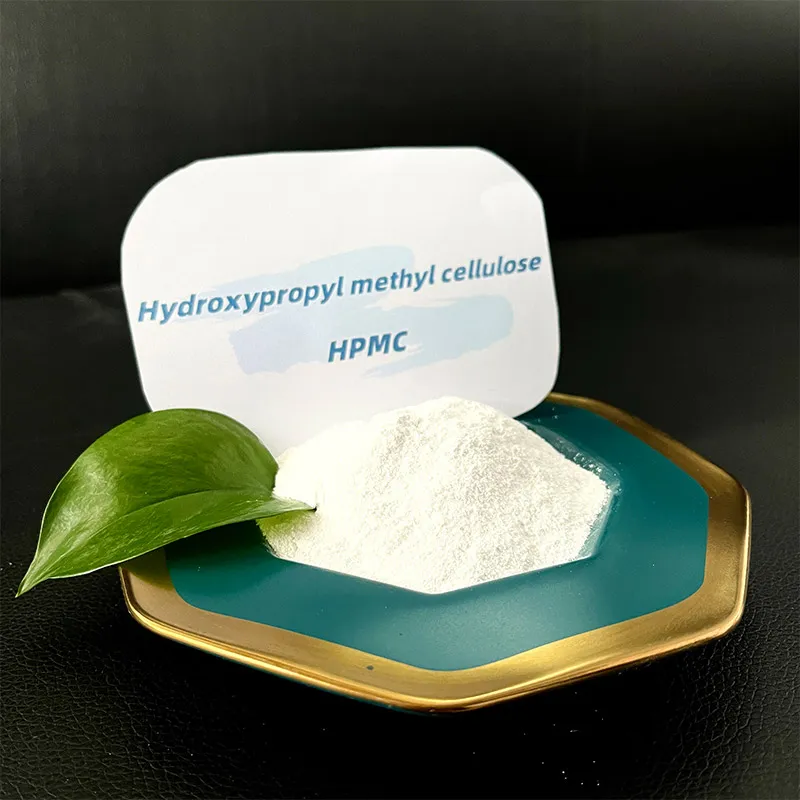
HPMC K 100 M, short for Hydroxypropyl Methylcellulose, is a versatile polymer widely used across industries like pharmaceuticals, construction, personal care, and food. From a professional lens, it’s imperative to understand the multi-faceted applications and the experience of its effectiveness in diverse sectors. As a high-viscosity grade of HPMC, K 100 M is particularly recognized for its unique properties, providing thickening, emulsifying, and film-forming capabilities that outperform many traditional ingredients. In the pharmaceutical industry, HPMC K 100 M is a cornerstone . This polymer is predominantly used as a binder and hydrophilic matrix material in tablets. Its exceptional gel-forming ability upon contact with water aids in controlling the release of drugs, making it an indispensable component in the formulation of sustained-release tablets. Experts have noted that its consistent performance significantly improves patient compliance and therapeutic efficacy, as drug release can be meticulously controlled over extended periods. HPMC K 100 M excels in the field of construction, offering enhanced water retention and workability in building materials. Its application in cement, plaster, and tile adhesives ensures that workability is greatly improved, and setting times are optimized, which is crucial for large-scale construction projects. As experienced contractors and engineers suggest, using HPMC ensures consistency and performance stability, leading to reduced material costs and improved structural integrity. The polymer’s ability to enhance sag resistance and facilitate easier application further underscores its indispensability in modern construction practices. hpmc k 100 m In personal care products, HPMC K 100 M is lauded for its non-toxic, biodegradable nature, enhancing both safety and compliance with stringent regulatory standards. This cellulose ether is utilized as a thickener and binder in skincare and haircare products. Beauty industry experts highly regard its film-forming properties that provide a smooth, evenly distributed application for lotions and creams, enhancing the skin's feel and protecting it from irritants. Innovators in personal care formulations emphasize its hypoallergenic nature, which is a crucial factor in products designed for sensitive skin types. Moreover, the credibility of HPMC K 100 M in food applications cannot be understated. It's used as an emulsifier, thickener, and stabilizer in various food products, including dairy and bakery items. This polymer enhances texture and mouthfeel while maintaining the structural integrity of products during freezing and thawing processes. Food scientists advocate HPMC K 100 M for its ability to act as a vegetarian alternative to gelatin, expanding the scope of product offerings and catering to a wide demographic seeking plant-based options. In conclusion, the manifold applications of HPMC K 100 M in diverse industries underscore its expertise and authoritative standing among polymers. Those with comprehensive experience using HPMC K 100 M consistently report marked improvements in product quality and process efficiency. Its unmatched versatility, combined with the expertise of professionals across sectors, ensures HPMC K 100 M remains a trusted, authoritative choice. Its reliability as a product ingredient, supported by substantial empirical application and industry accolades, reinforces its trustworthiness in the eyes of manufacturers and consumers alike.
-
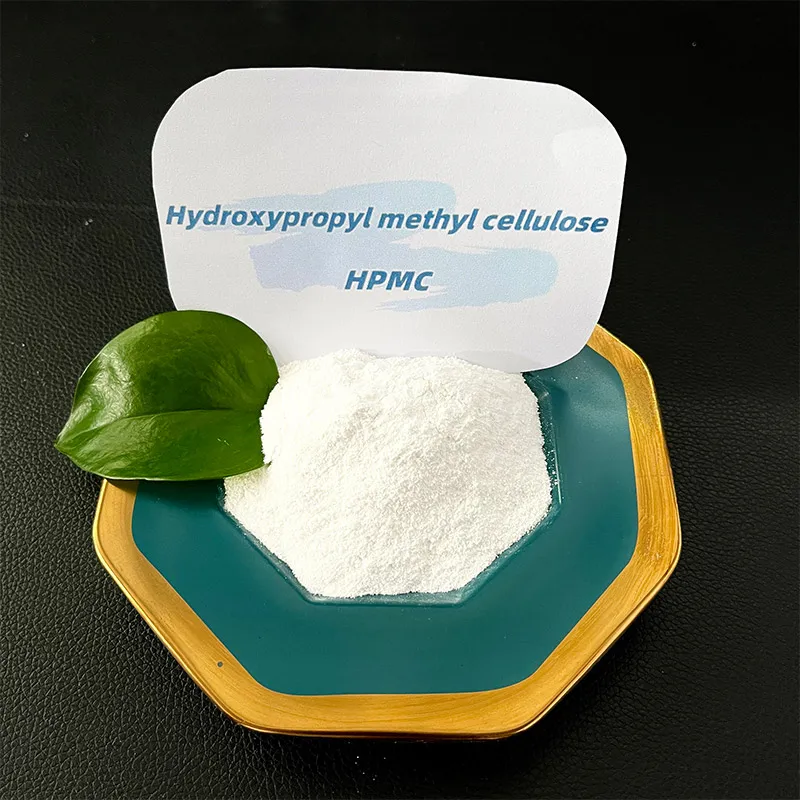
Hydroxypropyl methylcellulose (HPMC) is increasingly being recognized for its diverse applications in skincare products . As a cellulose-derived polymer, HPMC brings multiple benefits due to its unique properties, which are gaining attention both in scientific research and industry innovation. One of HPMC's most notable features is its moisture retention capabilities. In an era where consumers are seeking products that can hydrate and nourish the skin without harmful side effects, HPMC stands out as a safe and effective choice. Its ability to retain water makes it an ideal ingredient for moisturizers and creams designed to combat dryness and enhance skin elasticity. Users consistently report a noticeable improvement in skin suppleness after incorporating HPMC-infused products into their skincare routine. In addition to moisture retention, HPMC acts as a thickening agent. This property is invaluable for product formulation, allowing manufacturers to create skincare products that provide a pleasant texture and user experience. By enhancing the viscosity of creams and lotions, HPMC ensures even spreading and absorption, which enhances the effectiveness of active ingredients. Dermatologists often recommend products with this polymer for individuals with sensitive skin, as it reduces potential irritation often caused by other thickening agents. Another significant advantage of HPMC is its function as a stabilizer. In the cosmetic industry, maintaining the integrity of a formula over time is crucial. HPMC helps maintain the uniform distribution of particles in emulsions, preventing separation. This results in a consistent application experience and reliable product performance, which builds consumer trust and satisfaction. Products featuring HPMC are less likely to experience issues such as ingredient separation, which can compromise both the efficacy and safety of the product. HPMC also exhibits excellent film-forming properties, essential for certain skincare formulations such as masks or serums. By forming a thin, cohesive layer on the skin, HPMC can help lock in moisture and active ingredients, enhancing their delivery and increasing the time they remain effective on the skin. This characteristic not only boosts product efficacy but also can give users a tangible sense of protection and care, which is increasingly sought after in luxury skincare products. hydroxypropyl methylcellulose skin Furthermore, HPMC is appreciated for its hypoallergenic nature. As consumers become more mindful of ingredients applied to their skin, demand rises for hypoallergenic and non-comedogenic products. HPMC's gentle nature makes it suitable for individuals prone to allergies or adverse reactions. Its integration into skincare solutions addresses a crucial market need for safe yet effective beauty solutions, heightening its appeal across various demographics. Beyond individual product use, the inclusion of HPMC in formulations is supported by extensive scientific research. Studies have shown its non-toxic nature and compatibility with a wide range of other ingredients. The polymer's versatile nature allows it to be combined with vitamins, antioxidants, and botanical extracts, thereby enabling the development of multifunctional skincare products. Laboratories and product developers are continually exploring new combinations that capitalize on HPMC's compatibility and stability. In a world where consumers are empowered with information, transparency and credibility are non-negotiable. Hydroxypropyl methylcellulose stands as a testament to scientifically-backed innovation in skincare, drawing the attention of dermatologists, product developers, and informed consumers alike. Its multifaceted benefits, supported by concrete research and consumer testimonials, make it an indispensable choice in the formulation of next-generation skincare products. As awareness of environmentally-friendly and sustainable beauty products grows, the renewable nature of HPMC further solidifies its appeal. Derived from cellulose, a natural compound, HPMC aligns with the sustainable ethos valued by modern consumers. This environmental consideration, alongside skin health benefits, makes HPMC an attractive ingredient for forward-thinking brands aiming to lead in responsible beauty care. As the quest for effective, safe, and innovative skincare solutions continues, hydroxypropyl methylcellulose is poised to be at the forefront, providing tangible benefits while respecting the values of a discerning consumer base.
advantages
-

200000 Viscosities
Excellent product
We can produce pure products up to 200,000 viscosities
-

40000 tons
High yield
We don’t stop production all year round, and the annual output can reach 40,000 tons
-

24 hours
Quality service
We provide 24-hours online reception service, welcome to consult at any time
———— Inquiry Form
Schedule A services
-
 para_aramid_synthetic_fiber
Oct . 25, 2025
Methocel F50 is a trademarked brand of methylcellulose ether, commonly used as a thickener, emulsifi -
 hpmc_e6
Oct . 25, 2025
Hydroxypropyl methylcellulose (HPMC) is a multi-functional polymer that garners extensive attention -
 hypromellose_cellulose
Oct . 25, 2025
The Growing Importance of PP Fiber Concrete in Modern Construction In the ever-evolving landscape of


